
Saad Salman — Silk Fabric Specialist
Raw Silk 60 Gram vs 80 Gram
Quick answer: the published 60 GSM and 80 Gram listings are different products with different published prices and levels of technical detail. The 80 Gram product record currently publishes a wider specification set. For 60 GSM, confirm any essential physical property directly before ordering.
View 60 GSM Product View 80 Gram Product Confirm a Specification
Published comparison: 60 GSM vs 80 Gram
This table separates information published on the current Saad Salman listings from details that are not published for the 60 GSM listing. “Not published” does not mean a property is absent; it means the buyer should confirm it rather than infer it.
| Detail | Pure Raw Silk 60 GSM | Pure Raw Silk 80 Gram |
|---|---|---|
| Published product name | Pure Raw Silk 60 GSM | Pure Raw Silk 80 Gram Fabric |
| Current published price | Rs 2,100 per yard at time of review | Rs 2,700 per yard at time of review |
| Ordering unit | Yard | Yard |
| Published width | Not published — confirm before ordering | Approximately 45 inches, according to product record |
| Published colour/dyeing information | Not published — confirm before ordering | White and dyeable, according to product record |
| Published use guidance | General wholesale and retail fabric requirements | Bridal, formal and designer garments; product record also describes heavy embroidery use |
| Transparency, care and composition | Not published — confirm before ordering | Product record publishes these details; confirm if critical to your project |
What “60 GSM” and “80 Gram” tell a buyer
Weight labels are useful starting points, but they are not a complete fabric specification. A fabric’s practical behaviour can also be affected by its fibre, yarn, construction, finish, width and processing. Textile education sources note that yarn diameter and the number of yarns used in a weave or knit affect fabric weight; construction also affects appearance, performance and cost.
For this reason, do not convert a trade label into an unverified claim about thickness, drape, opacity or fibre content. The two product pages should be read as the current commercial record, while a buyer with a specific design requirement should obtain confirmation of the relevant technical details.
Which raw silk listing should you choose?
Choose the 80 Gram listing when published specifications matter
The 80 Gram product page currently provides a published price, approximate width, white/dyeable status and described use cases. That makes it the clearer starting point for a buyer planning bridalwear, formal tailoring or an embroidery-led project. It is still sensible to confirm the current lot, finished colour, yardage and any tolerance before cutting.
Choose the 60 GSM listing only after a focused specification check
The 60 GSM listing is available for retail and wholesale yardage, but its public record intentionally does not state width, fibre percentage, care, transparency or dyeing behaviour. Ask for only the details your project requires. For example, an embroidery project may need confirmation of support and structure, while a colour-sensitive order may need confirmation of the currently available base and sample process.
For boutiques and repeat orders
Record the exact product URL, confirmed width, colour, lot information where available, order date and total yards. A consistent written brief reduces the chance of comparing two products with similar trade names as though they were identical.
Questions to confirm before ordering
- What is the current width of this exact product and lot?
- Is the stated weight a verified GSM measurement or a trade weight label?
- What fibre composition is verified for this product?
- Is the current white base suitable for the intended dyeing process?
- What allowance, if any, should be considered before dyeing or cutting?
- Is the fabric appropriate for the garment pattern, lining and planned embroidery?
- What is the current live price, stock quantity and delivery timing?
Share the product link, intended use, required yards, delivery city and deadline when asking Saad Salman for current information.
Frequently asked questions
Is 80 Gram automatically better than 60 GSM?
No. “Better” depends on the garment, pattern, finish and verified characteristics needed for your project. Compare published records and confirm the specification that matters.
Can I assume the 60 GSM product is dyeable?
No. Its current public listing does not publish dyeing guidance. Confirm this directly before ordering.
Why are the prices different?
The current product listings show different prices. A price difference alone does not establish the reason; use the live listings and request current product information when making a purchase decision.
How much should I order?
Ask your tailor, designer or production team to calculate the cutting requirement, then confirm any relevant processing allowance before placing the order.
Sources and further reading
- Saad Salman: Pure Raw Silk 60 GSM product record — price and published product details reviewed 26 August 2026.
- Saad Salman: Pure Raw Silk 80 Gram product record — price and published product details reviewed 26 August 2026.
- Cornell: Fabric construction and weight.
- The George Washington University Museum: textile structure.
Last reviewed: 26 August 2026 · Reviewed by Saad Salman — Silk Fabric Specialist. Product details and availability can change; confirm live commercial information before ordering.
Raw silk 60 gram vs 80 gram: product-record visual check
These images identify the current product records used for this raw silk 60 gram vs 80 gram comparison. They do not replace confirmation of the fabric specifications that are material to your order.
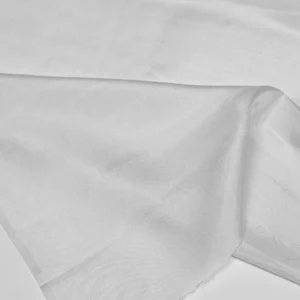

For colour-sensitive, production or repeat orders, use the live product record and contact Saad Salman to confirm the current lot and the details relevant to your design.